Is Cabo San Lucas safe? For travelers who take sensible precautions, mostly yes: as of October 2026, the US State Department rates Baja California Sur, the state that includes Cabo San Lucas, at Level 2 (Exercise Increased Caution), the same level it gives France, Italy and the United Kingdom. It is not risk-free, though, and the everyday hazards worth planning for are rough surf, unlicensed rides, tainted drinks and pushy sales pitches.
So how safe is Cabo San Lucas in practice? Below is what the official advisories actually say, how Baja California Sur compares with the rest of Mexico, and the habits that keep a beach vacation from going sideways.
Is Cabo San Lucas Safe? What the Travel Advisory Says
The State Department's Mexico advisory, issued May 29, 2026, rates the country overall at Level 2 and then assigns each state its own level. Baja California Sur sits at Level 2 due to terrorism and crime, and the entry notes a "risk of violence in the state from terrorist groups, cartels, gangs and criminal organizations." It also says there are no specific travel restrictions on US government employees in the state, which is not the case everywhere in Mexico.
The nationwide guidance still applies: violent crimes including homicide, kidnapping, carjacking, sexual assault and robbery occur in Mexico, and the advisory recommends traveling between cities only in daylight. Read the full Mexico travel advisory on travel.state.gov before you book, because it can change.
Other governments land in a similar spot. The UK Foreign Office has no warning against travel to Baja California Sur, though it lists Los Cabos among tourist areas where British travelers have been physically and sexually assaulted. Canada, which updated its Mexico page on October 13, 2026, urges a high degree of caution nationwide but does not name Baja California Sur in its regional warnings.
How the Cabo San Lucas Travel Advisory Compares to Other States
Level 4 (Do Not Travel): Colima, Guerrero, Michoacán, Sinaloa, Tamaulipas and Zacatecas.
Level 3 (Reconsider Travel): Baja California, Chiapas, Chihuahua, Guanajuato, Jalisco, Morelos and Sonora.
Level 2 (Exercise Increased Caution): Baja California Sur, plus Mexico City, Quintana Roo and others.
Level 1 (Exercise Normal Precautions): Campeche and Yucatán.
Watch for a common mix-up. Baja California (the state to the north that includes Mexicali) is separate from Baja California Sur and carries a higher rating. When a headline says "Baja," check which one it means.
What the Los Cabos Tourism Board Says
The official tourism board says Los Cabos ranks well for perceived safety among Mexican destinations and reports a repeat visitor rate of nearly 40%. It describes a Marine-led presence with aerial monitoring drones, 24/7 patrol units, roughly 300 HD surveillance cameras, and a task force linking state and federal authorities with hotels. Its everyday advice is to keep to busy areas after dark and lock up valuables.
Remember that the board's job is to attract visitors. One of its pages labels Level 2 as Exercise Normal Precautions, but on the State Department's scale that wording belongs to Level 1. Treat travel.state.gov as the final word.
Ocean Safety Is the Risk People Underestimate
Cabo has two coastlines with very different personalities, the Pacific and the Sea of Cortés. The Pacific side has heavier surf and stronger currents, and some beaches are not safe for swimming at all. The tourism board's guide to swimming and beach safety in Los Cabos points to sheltered water at Medano Beach and calmer conditions at Chileno and Acapulquito along the Corridor.
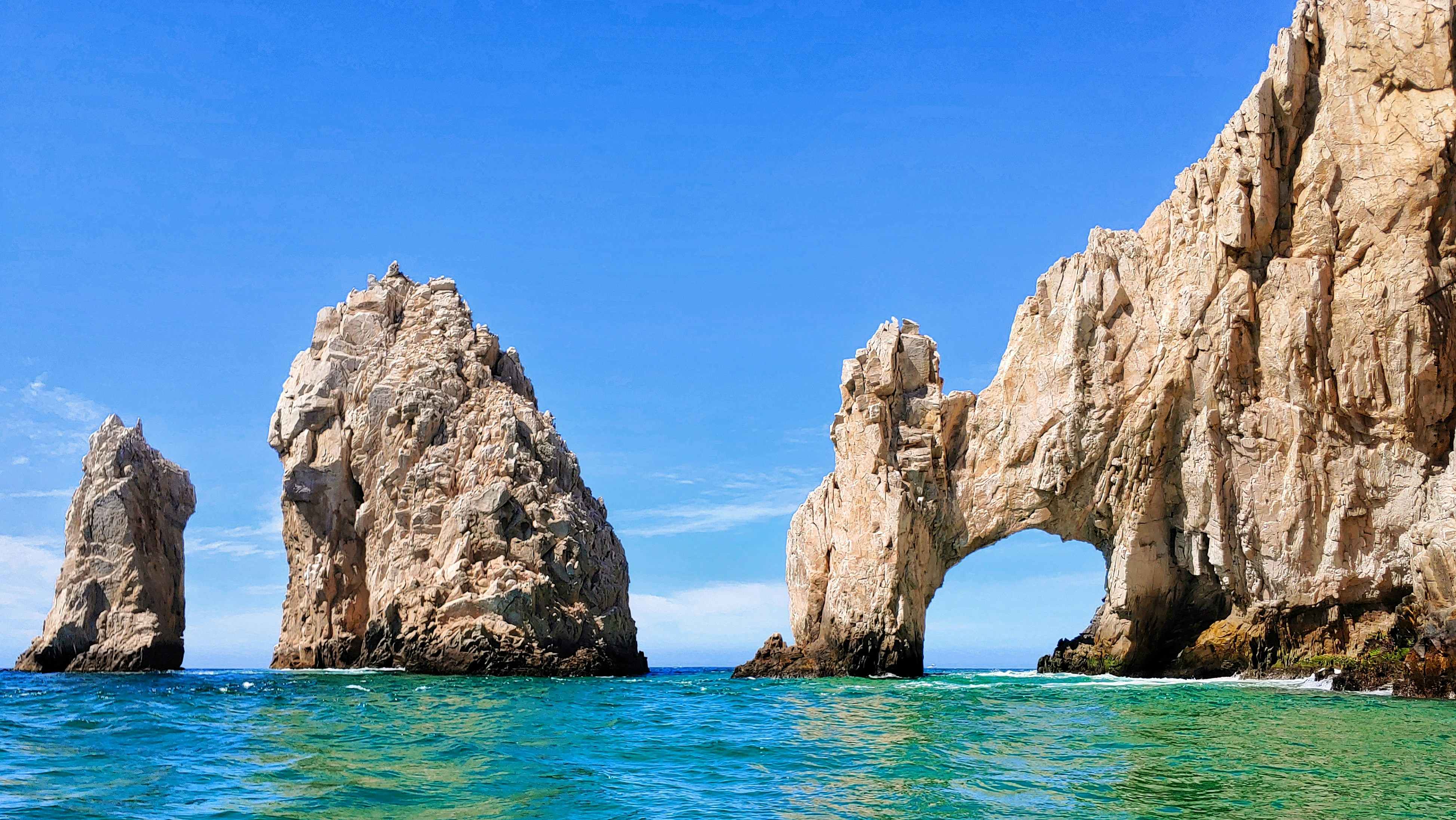
Conditions change fast. Between July 18 and 22, 2026, three beach deaths were reported in Baja California Sur, including two drownings near Todos Santos. In August, the Mexican Navy rescued two American tourists stuck in the surf at Divorce Beach near the Arch, a beach with no lifeguards, and officials urged people to stay out of the water in the Arch zone. Canada's government notes that riptides are common in Mexico, beaches aren't always supervised, and many lack warning flags.
Know the beach flags:
Green: Safe for swimming.
Red: High risk. No swimming or water activities.
Black: Beach closed. Do not enter the water.
Purple: Harmful marine life present.
Ask your hotel about the day's conditions, never swim alone, and stay on the sand when in doubt.
Taxis, Airport Pitches and Timeshares
Taxis: The State Department says not to hail taxis on the street. Book through your hotel, an authorized taxi stand (a sitio) or a ride-share app, and confirm the plate and vehicle before getting in. Canada warns of card fraud in street-hailed taxis, so carry small bills and settle the fare first.
Airport rides: Two 2026 travel guides report that Uber can't pick up arriving passengers at Los Cabos International Airport. Pre-book a transfer or use your hotel's shuttle or the authorized taxi service.
The arrivals hall: After customs, people in uniforms offer rides or free tequila. They aren't airport staff, and the pitch often leads to a timeshare tour. Keep walking.
Timeshares: Free breakfasts or spa offers near the marina can turn into long sales presentations, and the State Department urges caution with timeshare purchases. Canada notes you can cancel a timeshare contract without penalty within 5 working days and points travelers to PROFECO, Mexico's consumer protection office, about suspected fraud.
Drinks, Heat and Health
Drinks: The State Department reports people becoming ill or unconscious after drinking contaminated alcohol, and the UK warns that methanol-laced drinks in Mexico have caused deaths. Watch your drink being poured, never leave it unattended, favor sealed bottles or cans, and pace yourself.
Tap water: Skip it. Use bottled or purified water.
Heat: Canada notes that severe heat waves hit Mexico from April to September, and heatstroke and dehydration can kill. Drink water steadily, wear sunscreen and a hat, and take shade breaks.
Medical bills: Most Mexican hospitals won't discharge patients until the bill is paid in full, and Medicare won't cover care there. Buy travel insurance that includes medical evacuation.
Storms: Pacific hurricane season runs from about mid-May through November, so watch forecasts on fall trips.
Emergency Numbers and Cabo San Lucas Safety Tips
Save these before you land:
Emergencies: 911. If you don't speak Spanish, get a Spanish speaker to help with the call.
Red Cross: 065
Tourist police: 624 143 3977
Los Cabos Tourist Assistance Center (CATAC): +52 624 105 0551
Tourist information: 078, free from any phone in Mexico.
US Consular Agency: The State Department lists it at Las Tiendas de Palmilla in San José del Cabo. For emergencies at any hour, call the US Embassy in Mexico City at +52 55 2579 2000.
Canadian Consular Agency: Cabo San Lucas, +52 55 5724 9797.
A few habits go a long way. Enroll in the State Department's STEP alerts, use ATMs inside banks, avoid driving between towns after dark, and keep valuables out of sight.
Frequently Asked Questions
Why is Cabo San Lucas so dangerous?
It isn't singled out. Cabo San Lucas falls under Baja California Sur's Level 2 rating, the same level the State Department gives France and Italy. Crime against tourists does happen, but the hazard that catches many visitors off guard is the ocean, especially on Pacific-facing beaches.
Is Cabo San Lucas safe from drug cartels?
No one can promise zero risk. The State Department says cartels, gangs and other criminal groups create a risk of violence in Baja California Sur, yet it places no specific travel restrictions on its own employees there. Staying in busy tourist areas, avoiding drugs and not driving between towns at night are sensible steps.
Is it safe to travel to Cabo San Lucas right now?
As of October 2026, Baja California Sur remains at Level 2, and neither the UK nor Canada advises against travel there. Fall is still hurricane season, so check the forecast and recheck the advisory right before you go.
Is San José del Cabo safe?
San José del Cabo is in the same state under the same Level 2 advisory, so the answer to whether Los Cabos is safe is the same for both towns. The same precautions apply on the beach, too: one of the July 2026 deaths was a man in the water at La Playa in San José del Cabo.
Is it safe to swim in Cabo San Lucas?
Yes, at the right beach on the right day. The tourism board singles out Medano Beach as the go-to swimming beach in town and points to Chileno Bay and Santa María as calmer, protected spots. Skip Pacific-facing beaches like Divorce Beach, obey the flags and never swim alone.
Planning the rest of your trip? Browse places to stay at loscabos.ai/lodging, find outings at loscabos.ai/activities, and look up local doctors and pharmacies at loscabos.ai/services.