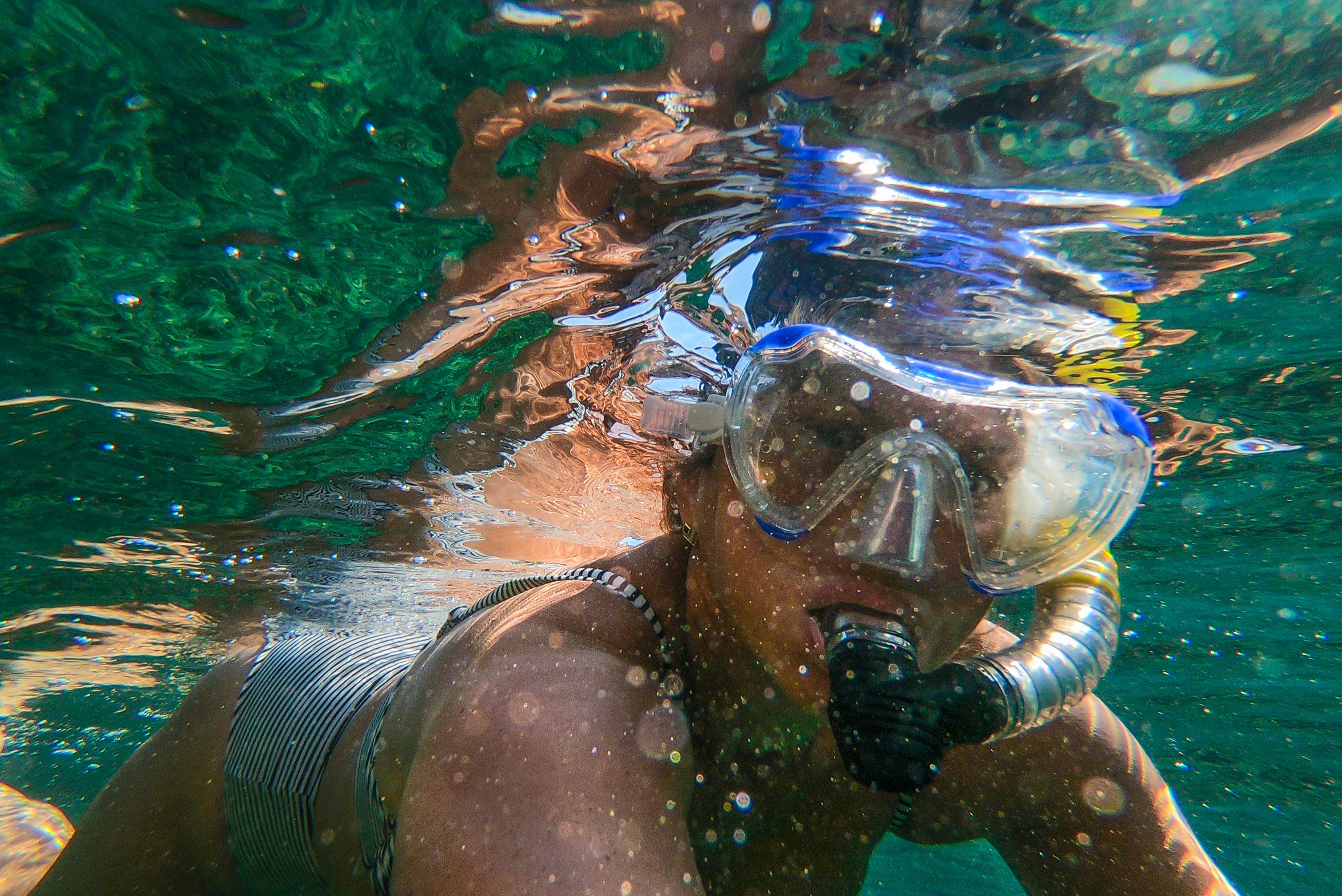
Yes, you can swim in Cabo San Lucas, but only at certain beaches. The calm, swimmable Cabo San Lucas beaches face the Sea of Cortez (Medano, Chileno, Santa María, Palmilla and usually Lover's Beach), while Pacific-facing beaches like Divorce Beach and Solmar are no-swim zones because of heavy surf, rip currents and sudden waves.
That split surprises plenty of first-timers. The Los Cabos tourism board counts only about 43 percent of local beaches as swimmable, so know which is which before you lay down a towel. Here's where to swim, where to stay on the sand, how the flags work, and where to snorkel.
Which Cabo San Lucas Beaches Are Swimmable
The tourism board and local outlets consistently describe these as swimmable. Calm is typical, not guaranteed, so check the flag every time.
Medano Beach: The long, busy beach off downtown and the marina, sheltered inside the bay. Visit Los Cabos calls it "the top swimmable beach in Cabo San Lucas." It's the water sports hub, and several hotel-front sections hold Blue Flag status.
Chileno Bay: A calm cove on the Tourist Corridor, with a lifeguard stand, showers, portable toilets and parking. Quieter than Medano, and Blue Flag certified.
Santa María Bay: Just over a mile from Chileno, a cove shielded from swell and wind by two large rock formations. Moon reports palapas, showers, restrooms and a dirt lot. Also Blue Flag.
Palmilla Beach: At Km 27 of the Corridor near San José del Cabo, sheltered by coves and listed as swimmable with Blue Flag status. Facilities are limited, and it can pick up swells, so watch the flag.
Lover's Beach (Playa del Amor): The small bay-side beach at Land's End, near the Arch of Cabo San Lucas, reached by water taxi, kayak or boat. The tourism board lists it as swimmable, but in August 2026 local press reported a Protección Civil swimming restriction covering the whole Arch zone. Ask your captain whether it's still in effect.
Pacific Side Beaches to Enjoy From the Sand
Round Land's End and the water changes completely. Black flags stay planted on the Pacific side of Cabo San Lucas, and local reporting warns that even dry sand near the waterline is risky because of sneaker waves.
Divorce Beach (Playa del Divorcio): Across the sand from Lover's Beach, facing the open Pacific. Swimming is prohibited because of violent shore break and rip currents. In August 2026 the Mexican Navy rescued two American tourists who couldn't get out of the water there, and the Gringo Gazette noted "the beach has no lifeguards and limited emergency access."
Solmar Beach: The resort-backed Pacific beach. No swimming or wading, since rogue waves have knocked people off their feet. Walk it well back from the surf.
Pedregal Beach: Heavy surf, strong currents, swimming forbidden, no lifeguard setup.
Unmarked Pacific beaches: Assume rip currents and no lifeguards.
San José del Cabo Beach Notes
In San José del Cabo, don't assume the beach in front of your hotel is swimmable. The Hotel Zone beach (Playa Hotelera) has steep drop-offs close to shore and undertows, and the beach by the estuary has a strong outflow current. For a swim, head to Palmilla or to Acapulquito, which the tourism board calls generally calm (it's also a surf spot, so read the flag).
Beach Warning Flags, Lifeguards and Blue Flag Status
Zofemat, the federal coastal agency, runs a color-coded flag system, and lifeguards update the flags as conditions change. The tourism board's Los Cabos swimming and safety guide sums it up: look for green, heed red or black.
Green: Calm, swimming allowed.
Yellow: Moderate waves or currents. Use caution and stay close to shore.
Red: High hazard. Stay out of the water.
Black: Beach and water closed. Stay clear of the shoreline.
White or purple: Jellyfish or other hazardous marine life.
Calm beaches get red and black flags too; Medano has been closed under a black flag during storm swells. Lifeguards generally work daytime hours, and most rescues at Medano and Palmilla happen just outside the guarded stretches, so swim in front of a lifeguard tower.
A blue flag means something else entirely. It's the Blue Flag eco-certification from the Foundation for Environmental Education, reviewed yearly, covering water quality, environmental management, safety, education and accessibility. Los Cabos has more than two dozen Blue Flag beaches, including Chileno, Santa María, Palmilla and sections of Medano, and the tourism board says these beaches have lifeguards, restrooms, trash cans and wheelchair ramps. As The Cabo Sun points out, Blue Flag status "does NOT guarantee calm surf."
Best Snorkeling in Cabo San Lucas
Snorkeling in Cabo San Lucas is good, especially in the protected Corridor coves and around the rocks near Land's End. Go in the morning, when the water tends to be calmest and clearest.
Chileno Bay: A reef near the point is reachable from shore, with parrotfish, pufferfish and the occasional sea turtle.
Santa María Bay: A shallow, protected marine sanctuary with tropical fish and the odd ray or turtle. Moon notes a beach vendor rents masks and snorkels.
Pelican Rock: A rock formation inside Cabo San Lucas Bay, about five minutes by boat from the marina. The bay has been a marine protected area since 1973, and snorkelers come for the fish schools. You'll need a water taxi or boat tour.
Lover's Beach and Land's End: Snorkeling around the rocks is popular, but the terrain gets dangerous when the water is choppy, and the Arch zone restriction may limit trips.
Cabo Pulmo: The tourism board also points to Cabo Pulmo Marine Park for snorkeling over a reef close to shore.
For paddling and water toys, local listings include KAYAK LOS CABOS clearyak, a kayak tour agency in the Marina area; Remo Kayak and SUP Rentals and Tours and Sea Blessing, rental services on the Tourist Corridor; and Sea Sports In Cabo, a boat tour agency. Ask each about snorkel trips directly.
What to Bring and How to Get There
Water shoes: Santa María's sand is coarse and pebbly, and Lover's Beach sand gets very hot by afternoon.
Shade and sun protection: Shade is scarce at Chileno, so pack a wide-brim hat or umbrella. A long-sleeve rash guard means less sunscreen in the water.
Food, water and pesos: Palmilla has limited facilities, Lover's Beach has next to nothing, and beach vendors take pesos.
Your own mask and snorkel: Rentals turn up at Santa María, but don't count on them elsewhere.
Getting there:
Medano: Walk from downtown or the marina, or take a cab.
Lover's Beach: Water taxis leave from Medano and the marina and pass the Arch and the sea lions. A May 2026 report put round trips at about US$10 to $15 per person. Settle the price and pickup time before boarding.
Chileno and Santa María: Drive or taxi up Highway 1 (about 20 minutes from Cabo San Lucas) and follow the beach access signs. Chileno's lot often fills after 10 a.m. The Ruta del Desierto bus from Puerto Paraíso will stop at Chileno on request.
Palmilla: Take the Palmilla exit off the highway and follow the signs.
For taxis, rental cars and buses, see Los Cabos airports and getting around.
Frequently Asked Questions
Can you swim in Cabo San Lucas?
Yes, at the right beaches. Medano Beach in town and the Corridor coves of Chileno, Santa María and Palmilla are the go-to swimmable spots. Check the flag before you go in.
Can you swim in the ocean in Cabo San Lucas?
At the sheltered bay and Corridor beaches, yes, when the green flag is up. On the Pacific side, no: Divorce Beach and Solmar have powerful surf and rip currents, and swimming there is prohibited.
Is snorkeling good in Cabo San Lucas?
Yes. Cabo San Lucas snorkeling is easiest from shore at Chileno and Santa María, and Pelican Rock is a short boat ride from the marina. For snorkeling in Los Cabos, go in the morning.
What is the best beach in Cabo San Lucas for swimming?
Medano Beach in Cabo San Lucas is the most convenient and the tourism board's top swimming pick in town. For quieter water and better snorkeling, Chileno and Santa María are two of the best beaches in Cabo San Lucas.
Is it safe to swim in Cabo San Lucas?
It depends on the beach and the day. Stick to the bay and Corridor beaches, swim near a lifeguard tower, obey red and black flags, and skip the Pacific side. For broader travel advice, see Is Cabo San Lucas Safe?
What do the beach flags mean in Cabo?
Green means calm, yellow means caution, red means high hazard (stay out), and black means closed. White or purple warns of jellyfish or other marine life. A blue flag is an eco-certification, not a conditions warning.
Planning the rest of your beach day? Browse water activities and tours and local attractions, and check the Los Cabos weather before you head out.